Blog ·
Maximizing Your Solar Investment: Tips for Long-Term Performance
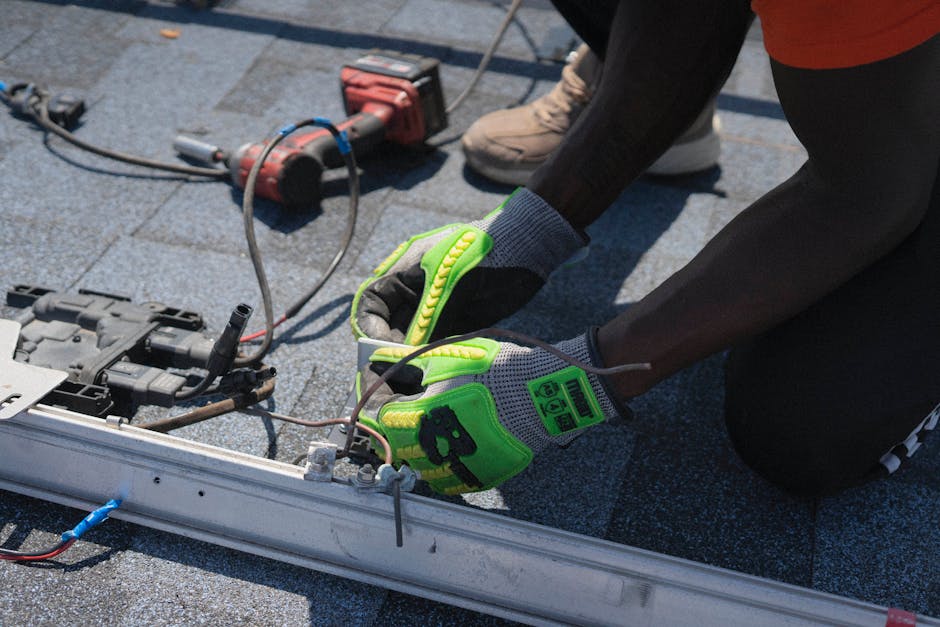
Installing solar panels is a significant investment in your home's future, and taking steps to maximize their performance ensures you reap the benefits for decades to come. Understanding how to maintain and optimize your system keeps everything running efficiently.
Regular monitoring is your first line of defense against performance issues. Most modern solar systems include monitoring software that displays real-time electricity production. By checking this regularly, you'll quickly notice if production drops unexpectedly, which might signal a problem requiring attention. This proactive approach catches issues early before they impact your energy savings.
Keeping your panels clean is one of the simplest maintenance tasks you can perform. Dust, pollen, bird droppings, and leaves can accumulate on the panel surface and reduce sunlight absorption. A gentle cleaning with soft brushes and water usually restores performance. In areas with significant dust or pollen, more frequent cleaning pays dividends in consistent energy production.
Your roof's condition directly affects your solar system's longevity. Before installation, ensure your roof is in good condition or plan for repairs beforehand. If your roof needs replacement after solar installation, removing and reinstalling panels adds unnecessary expense. A well-maintained roof protects both your home and your solar investment.
The electrical connections in your system should be inspected periodically for corrosion or loose connections. While these inspections require professional expertise, they're quick and help prevent electrical issues. Proper maintenance of connections ensures maximum power transfer throughout your system.
Understanding your energy usage patterns helps you optimize your system's benefits. If you use most electricity during daylight hours when panels produce the most energy, you'll maximize your self-generated electricity. Those who use more energy in evenings might benefit from monitoring their usage patterns and adjusting when possible.
Vegetation management around your home prevents shading issues. Trees grow over time, and branches that didn't shade your panels years ago might do so now. Trimming trees that cast shadows during peak production hours maintains your system's efficiency.
Weather events can occasionally impact your system. After severe storms or heavy snow, a brief inspection ensures everything remains secure and functioning properly. Most systems are built to withstand harsh conditions, but checking provides peace of mind.
Staying informed about your system keeps you connected to your investment. Reading your monitoring reports, understanding seasonal production variations, and recognizing how weather affects output deepen your appreciation for the energy your system generates daily. This engagement transforms solar ownership from passive to active, helping you maximize benefits over your system's lifetime.