Blog ·
How Solar Panels Can Transform Your Home's Energy Independence
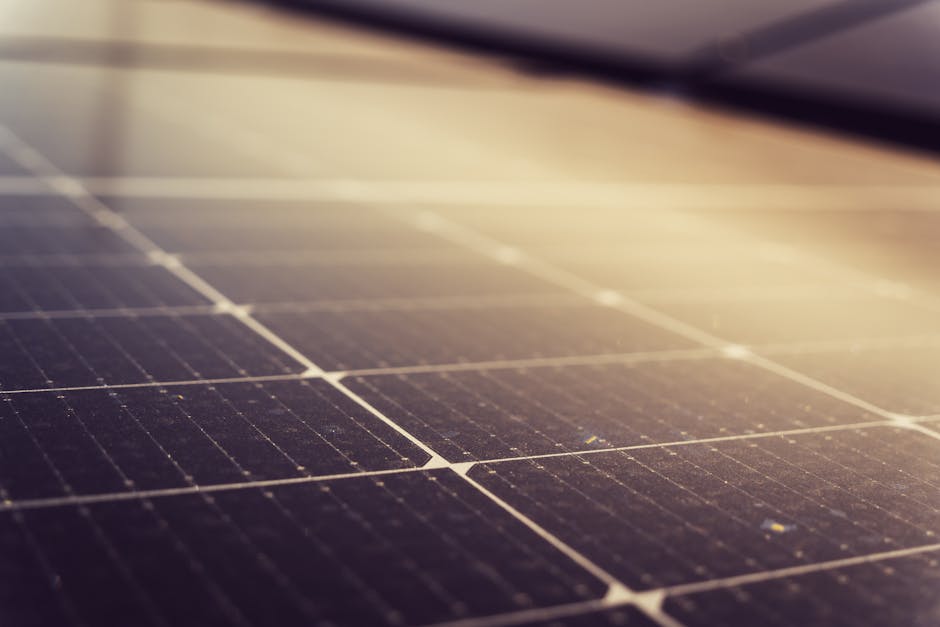
Solar panels have become increasingly popular among homeowners looking to reduce their reliance on the grid and take control of their energy costs. Installing solar panels on your roof is one of the most practical steps you can take to generate clean electricity right where you live.
Understanding how residential solar panels work is straightforward. Photovoltaic cells within your panels convert sunlight directly into electricity that powers your home. This process happens silently and requires no fuel—just sunlight. When your panels produce more electricity than you're using, that excess energy can flow back to the grid. During cloudy days or nighttime, your home seamlessly draws power from the grid, ensuring you always have electricity when you need it.
One of the biggest advantages of going solar is taking charge of your energy independence. Rather than being at the mercy of rising utility rates, you lock in a predictable energy production system. Over time, this stability becomes increasingly valuable as electricity prices continue to rise. Many homeowners find that solar installation is an investment that pays dividends year after year.
The environmental impact is another significant consideration. Unlike traditional power generation, solar energy produces no emissions and doesn't deplete natural resources. By installing panels on your home, you're participating in a global movement toward sustainable energy. Each kilowatt hour of solar electricity generated is electricity that didn't need to come from fossil fuels.
Modern residential solar systems are remarkably durable. Quality panels are designed to withstand harsh weather conditions while maintaining their performance year after year. They require minimal maintenance and have no moving parts to wear out. A simple periodic cleaning to remove dust and debris is usually all that's needed.
Before installation, a proper assessment of your home's solar potential is essential. This involves evaluating your roof's orientation, angle, and shading patterns throughout the day. South-facing roofs typically receive the most direct sunlight, but skilled installers can work with various roof configurations. Your home's energy consumption patterns and available space all factor into designing a system that meets your specific needs.
The process of becoming solar-powered involves working with experienced professionals who understand both the technical and practical aspects of installation. These experts handle everything from site assessment to final connections, ensuring your system operates safely and efficiently.
Taking the step toward solar energy represents a commitment to cleaner living and greater energy autonomy. It's a practical decision that benefits both your household and the wider environment.